

Showroom - Book a Visit
Free Delivery Over £800
-
-
0My cart
-
Internal DoorsInternal DoorsInternal Doors By TypeInternal Doors By StyleInternal Doors By MaterialInternal Doors By BrandInternal Doors By RangePopular Doors
-
External DoorsExternal DoorsExternal Doors By TypeExternal Doors By Material
-
Fire DoorsFire DoorsFire Doors By MaterialFire Doors By StyleFire Doors By Size & RatingFire Door Hardware
-
External Doors
-
Fire DoorsFire DoorsFire Doors By MaterialFire Doors By StyleFire Doors By Size & RatingFire Door Hardware
-
Bespoke DoorsBespoke DoorsBespoke Doors By TypeBespoke Doors By Material
-
Timber AccessoriesTimber AccessoriesSkirting BoardArchitraveFrames & LiningsWall PanellingTimber Accessories By Material
-
Door FurnitureDoor FurnitureInternal Door HardwareExternal Door HardwareIronmongery Value PacksHardware By Finish
-
Oils, Waxes & PaintsOils, Waxes & PaintsInternal Wood TreatmentsExternal Wood TreatmentsOils And Waxes By Shade:
-

Internal Double Doors
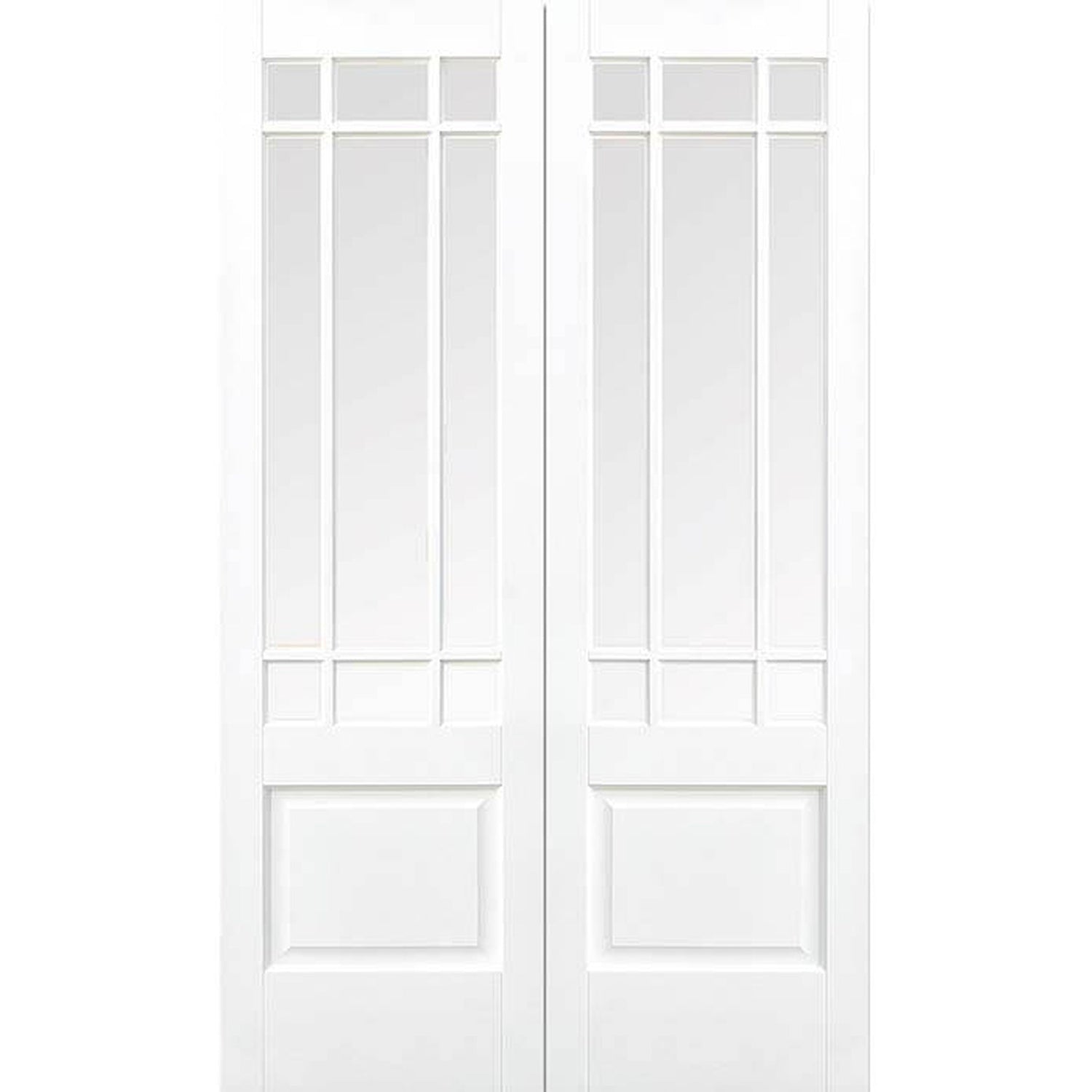
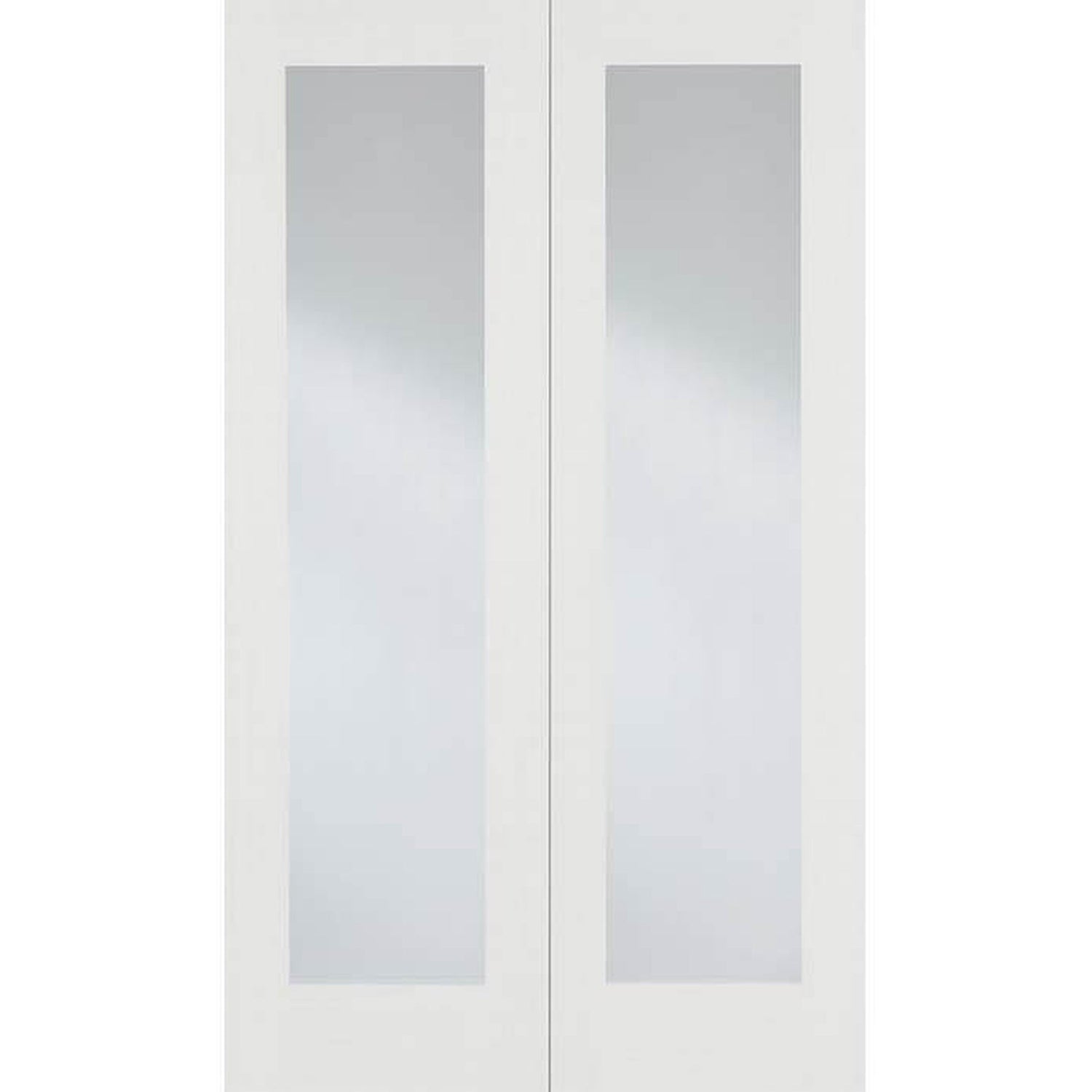
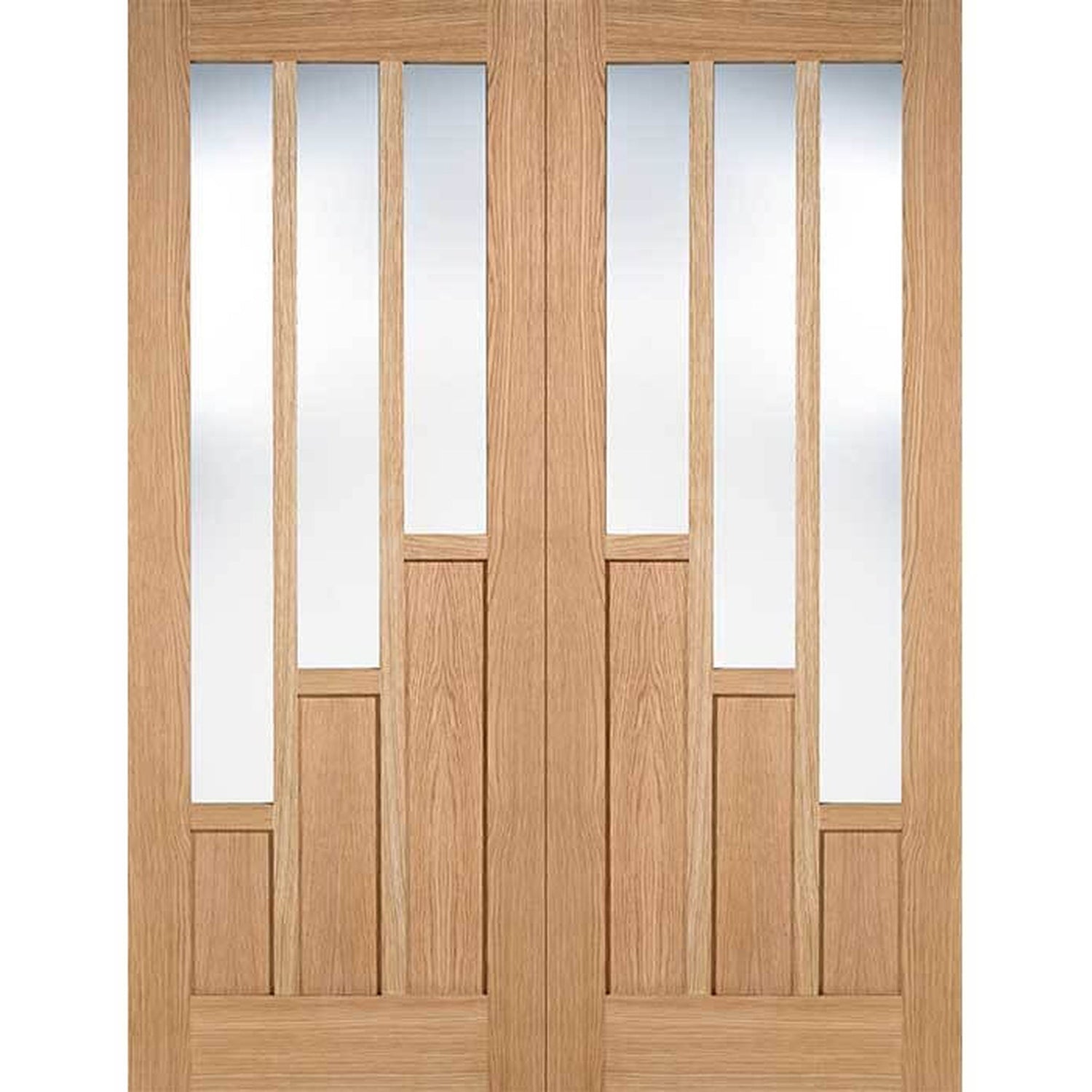
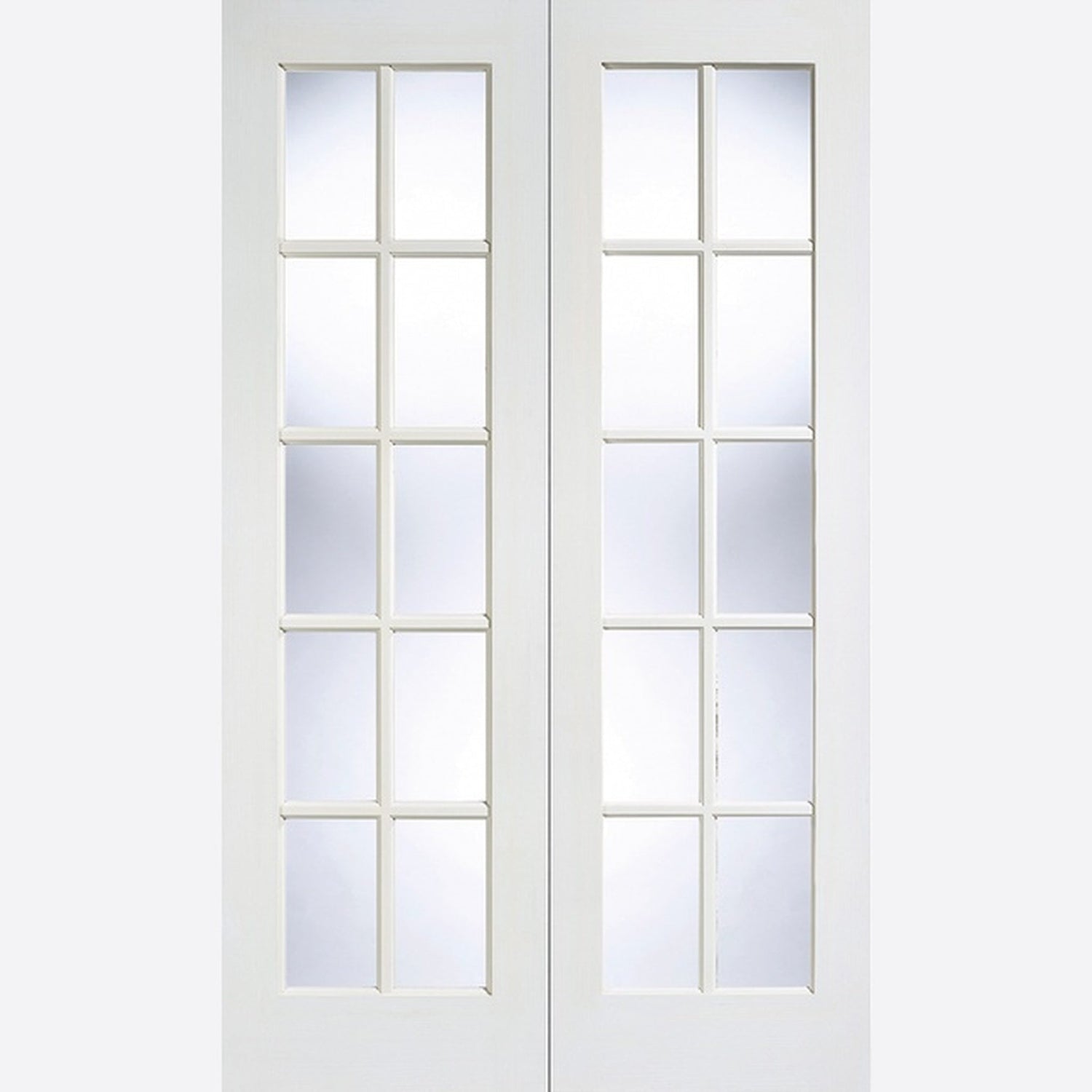
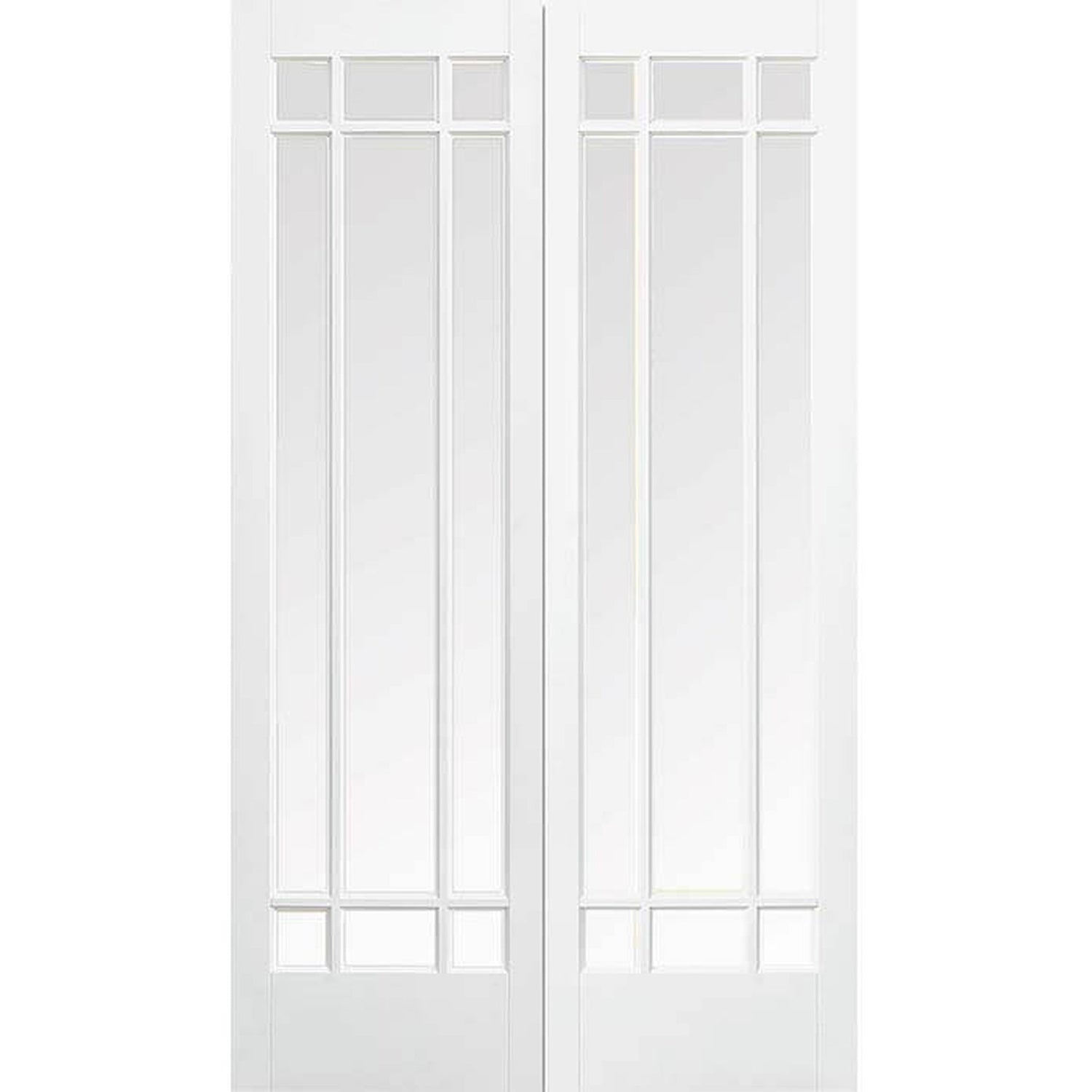
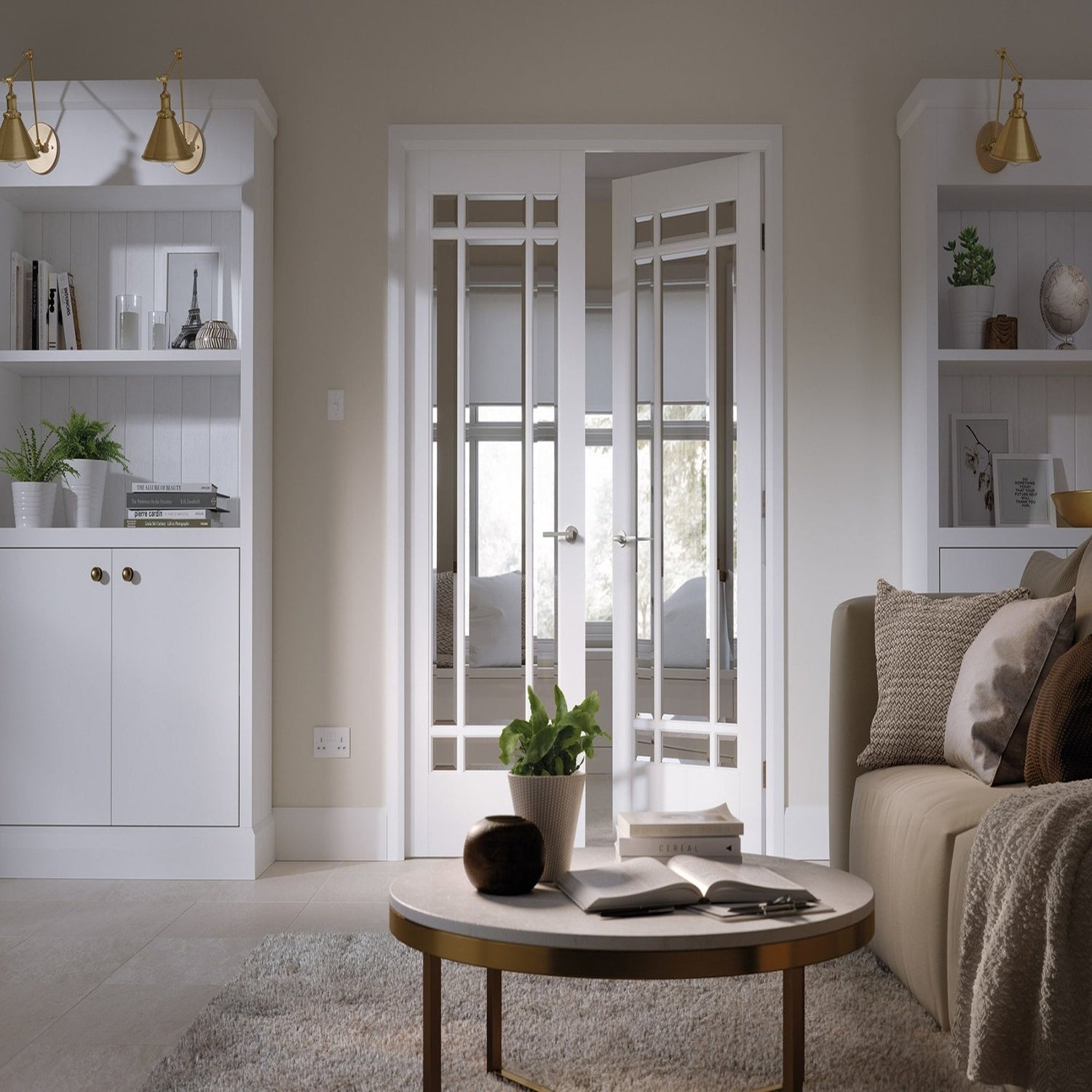
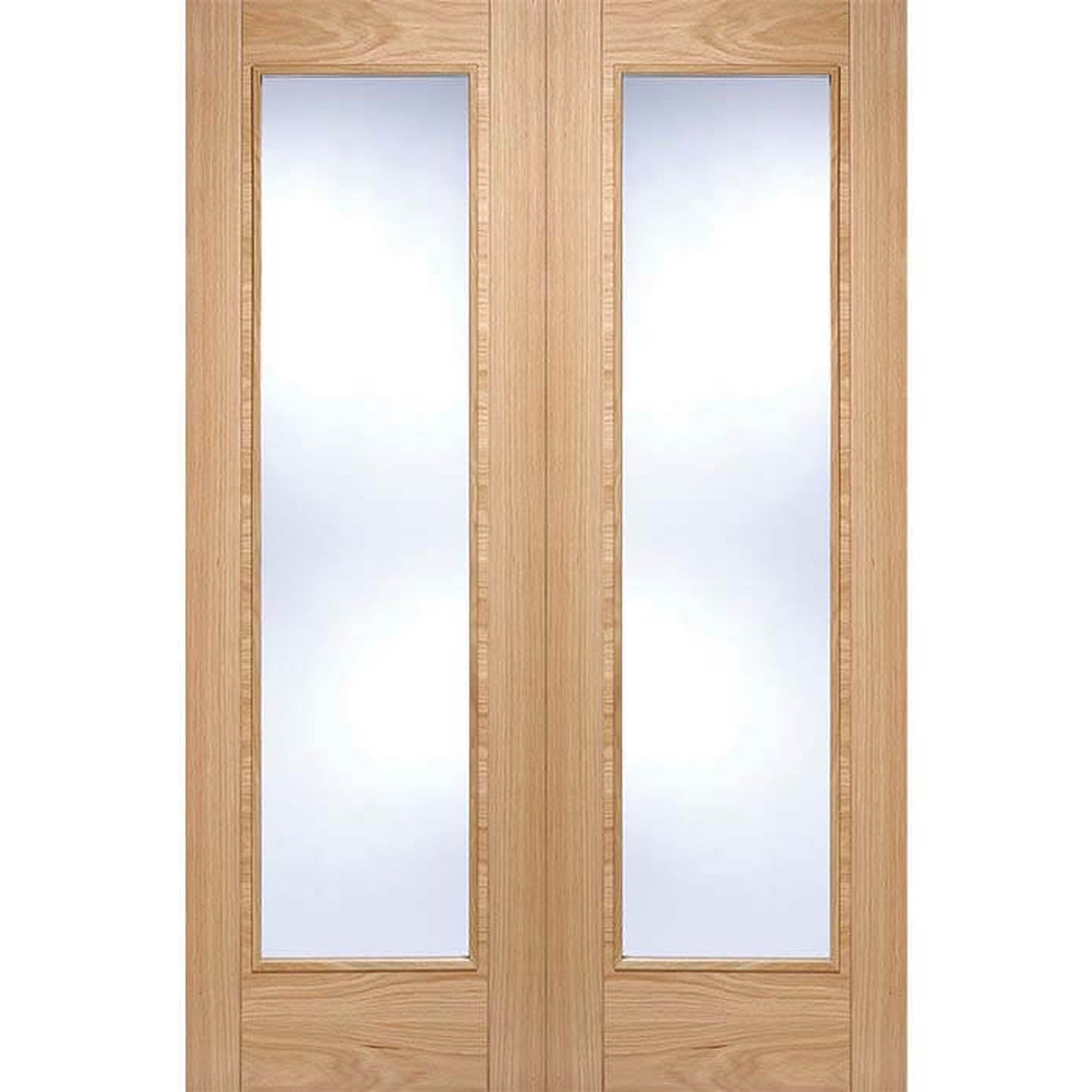
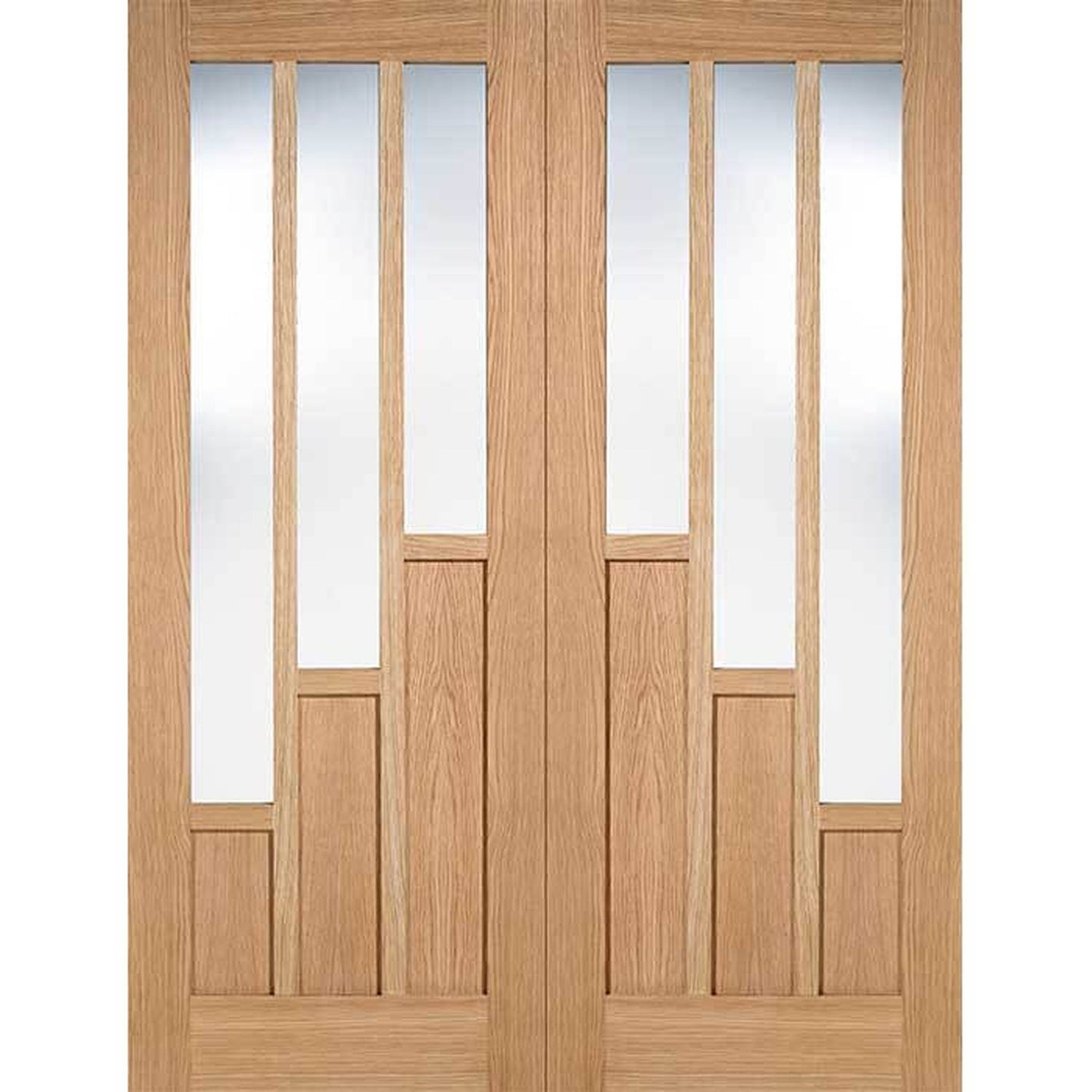
Internal double doors fill a wider opening with a matched pair that meets in the middle, in both glazed and solid styles. Choose a fully glazed pair for the most light, or a solid or part-glazed pair for a firmer, more private divide.
Sort by:
56303938666873
55089751949689

56303945220473
55089746346361


57063583940985

55089752867193

57063572210041

56303943745913

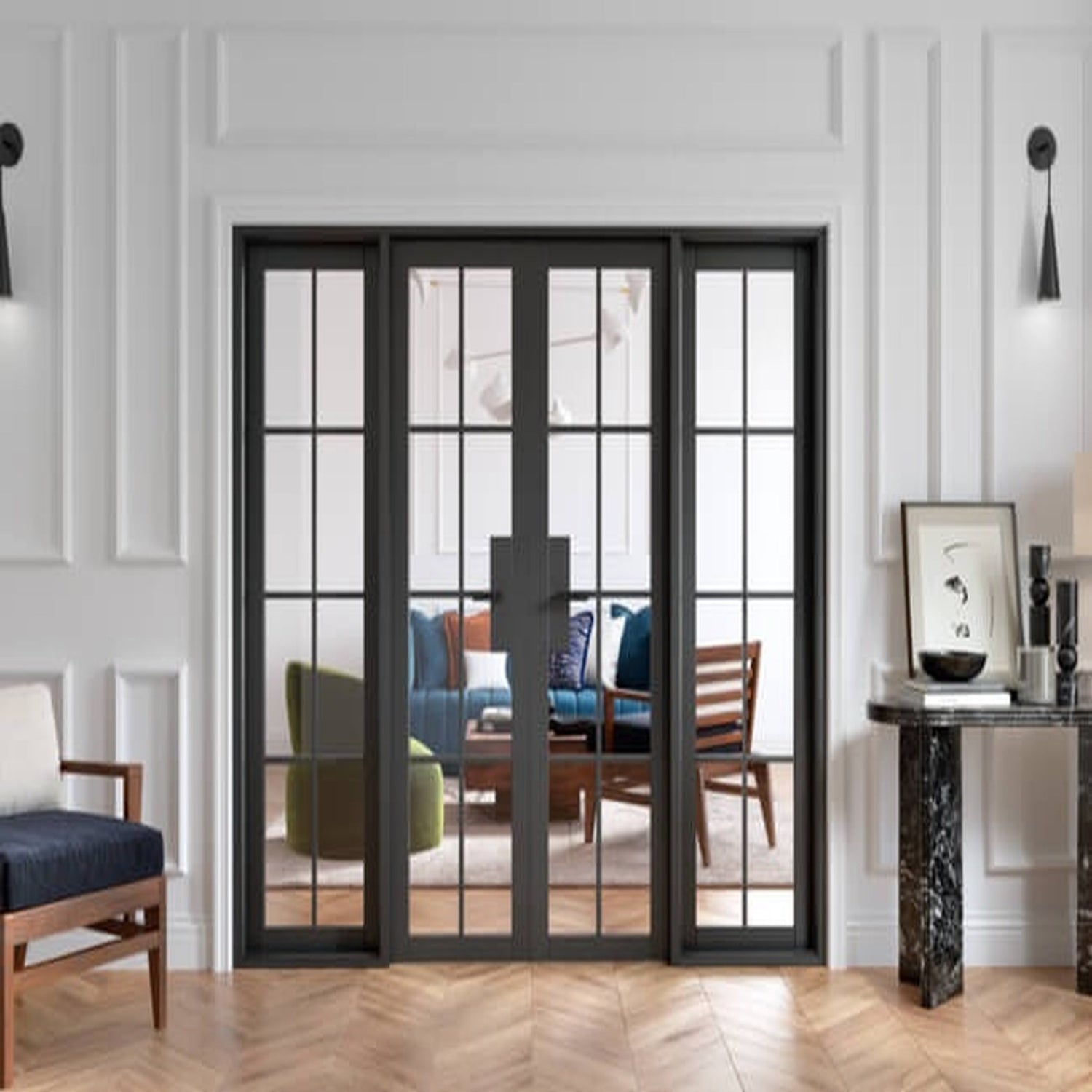
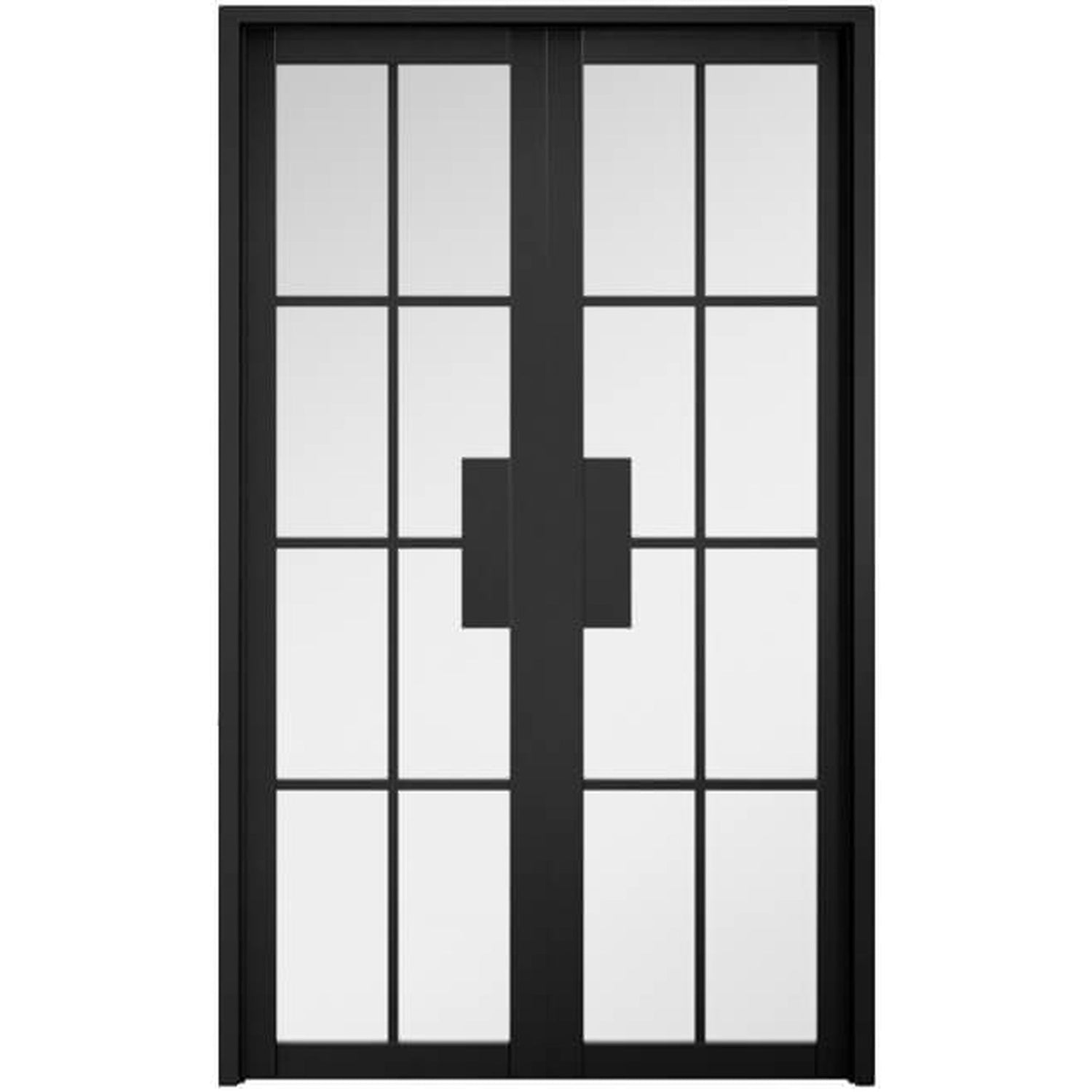
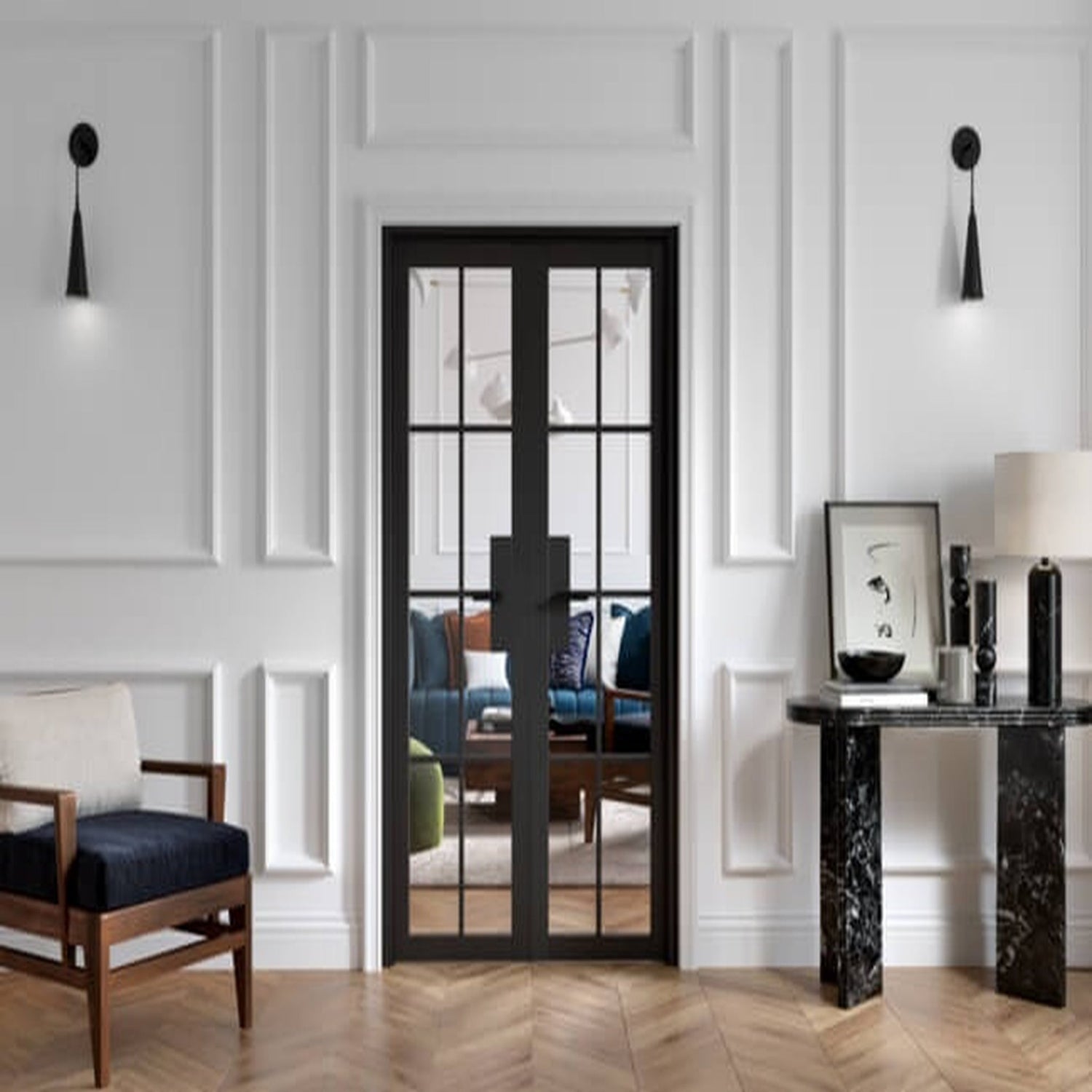

57211779940729
Internal Double Doors
Internal double doors fill a wider opening with a matched pair that meets in the middle, giving a room a generous, symmetrical entrance and the option to open up the full width when you want two spaces to become one. They work well between a hallway and a living room, or across a broad opening between reception rooms, where a single door would be too narrow to feel in proportion. Many are glazed to share light between the rooms, sitting within our wider glazed doors range, while others are solid for a firmer divide.
Glazed or Solid Pairs
A glazed double door borrows daylight between rooms and keeps a sense of connection even when closed, and for the most light a fully glazed pair turns the whole opening into glass. A solid pair does the opposite, giving a firmer divide and more privacy where you would rather not see through to the next room. Between the two, a part-glazed pair keeps a solid lower section with glass above, which is a practical middle ground for busy family spaces.
Double Doors or French Doors?
The two overlap, and the difference is mostly in the glazing. Our internal French doors are typically fully glazed for maximum light, while the double doors here include the solid and part-glazed pairs as well. If you want the brightest possible link between rooms, French doors are the obvious route; if you want a heavier or more private divide, a solid or part-glazed double door suits better.
Fitting a Pair of Doors
Because two leaves have to meet cleanly in the middle, the opening and frame matter as much as the doors. Set the pair in a frame or lining sized for a double opening and squared up so the doors close flush against each other, and pick handles and hinges to match, remembering that a pair usually needs extra hinges and often flush bolts to hold one leaf while the other is in daily use.
FAQs
Internal double doors are a matched pair of doors that fill a single wider opening, meeting in the middle so you can open one leaf day to day or both to join two rooms into one. They come in glazed, part-glazed and solid styles, so you can set how much light and privacy the pair gives.
Glazed double doors share daylight between rooms and keep them feeling connected, which suits darker or open-plan spaces, while solid pairs give a firmer divide and more privacy. A part-glazed pair sits between the two, with a solid lower section and glass above for a practical family compromise.
The two overlap and the difference is mainly the glazing. French doors are typically fully glazed for maximum light, while double doors include solid and part-glazed pairs as well. If you want the brightest link between rooms choose French doors; for a heavier or more private divide, a solid or part-glazed double door works better.
Double doors suit wider openings than a single door and are sold in a range of pair widths to match common double openings. Measure the structural opening and choose a pair sized to fit once the frame is allowed for, and each product page lists the sizes that design is available in.
Recently viewed products
Get inspired with @internal.doors


Subscribe to our emails
Be the first to know about new collections and exclusive offers.
WHY SHOP WITH US
Massive Stocks
Price Match Promise
Premium Door Brands
Expert Advice and Guidance
Phone Support Available Mon-Sat
Free Delivery Over £800
Express and Flexible Delivery Options
Massive Stocks
Price Match Promise
Premium Door Brands
Expert Advice and Guidance
Phone Support Available Mon-Sat
Free Delivery Over £800
Express and Flexible Delivery Options
Company Information